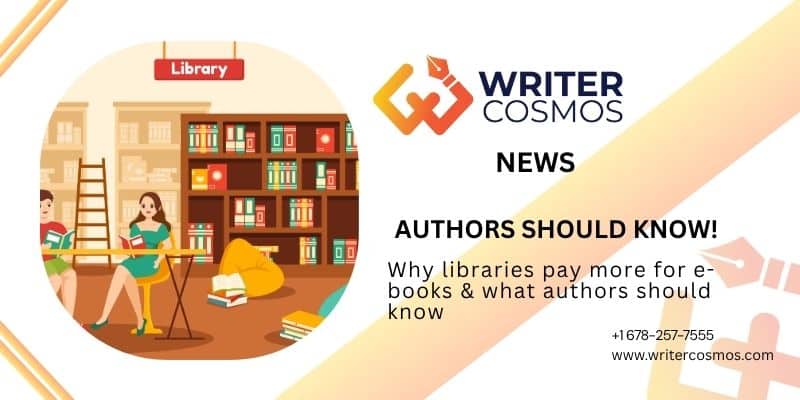
Libraries Pay More for E-Books: What Does This Mean for Aspiring Authors?
How to Maximize Your Book’s Reach Through Libraries
Are you an aspiring author envisioning your book reaching readers through public libraries, but puzzled by the headlines stating that libraries pay more for e-books than individual consumers? This disparity significantly impacts how your digital work is acquired, circulated, and ultimately discovered by a wide audience, directly affecting your potential for royalties and long-term readership. For new and first-time authors, understanding this complex landscape is crucial. Libraries often acquire e-books under restrictive licensing terms, paying substantially more per digital copy than print, or facing limits on the number of checkouts or time periods for which a license is valid. This means that while libraries remain vital for author discoverability and community access, the economics of digital lending present unique challenges and opportunities that every author should be aware of.
Understanding Why Libraries Pay More for E-Books
The reason libraries pay more for e-books stems from the unique licensing models publishers employ. Unlike physical books, which can be purchased once and loaned out indefinitely, e-books are licensed, not owned. Publishers often impose restrictions such as limiting the number of times an e-book can be checked out, setting expiration dates for licenses, or charging higher prices for library-specific versions. These models are designed to protect their revenue streams while acknowledging the unique role libraries play in access. For aspiring authors, this means understanding that even if your e-book is available in libraries, the revenue generated might not be a direct reflection of individual downloads.
Navigating the Impact on Your Publishing Journey
For aspiring authors, the fact that libraries pay more for e-books has several implications. Firstly, it can influence a publisher’s willingness to make an e-book available to libraries, as they weigh the higher licensing fees against potential revenue from individual sales. Secondly, it highlights the importance of discoverability within library systems. Even with higher costs, libraries are powerful platforms for reaching new readers who might not otherwise encounter your work. Authors should explore strategies like ensuring their e-books are correctly categorized and promoted within library catalogs. Finally, for self-published authors, understanding these dynamics can inform your pricing and distribution decisions, helping you to strategically engage with library platforms.
Ready to navigate the publishing world with expert guidance?