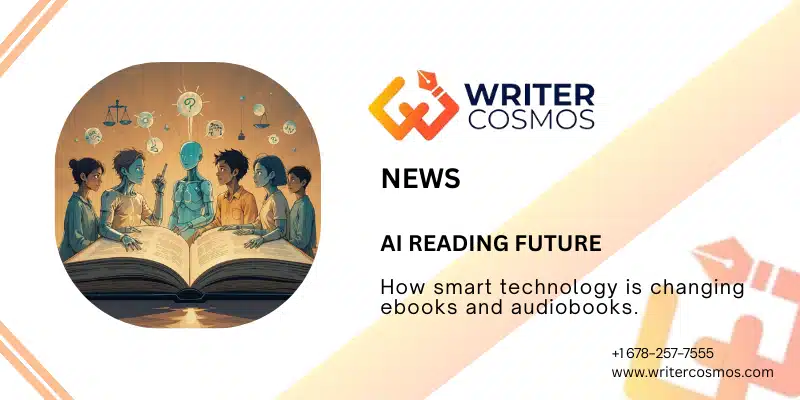
Artificial intelligence is reshaping how people read ebooks and listen to audiobooks. New features from companies like Amazon and ElevenLabs now allow readers to ask questions directly to books. While many readers see this as a helpful innovation, publishers and authors are raising concerns about rights, licensing, and control over digital content.
Amazon Introduces “Ask This Book”
Amazon recently launched a feature called Ask This Book on Kindle devices and iOS. Readers can highlight text or type questions to receive spoiler-free answers about plot, characters, or themes. The company describes it as a reading support tool built only from the content of books already purchased or borrowed by users.
The feature currently works with thousands of English-language titles and is expected to expand further in 2026. However, authors and publishers cannot turn off the feature, which has sparked discussion across the publishing industry.
Authors Guild Raises Rights Concerns
The Authors Guild believes that turning books into AI interactive products may represent a new format that requires separate licensing. According to the organization, authors should have the right to negotiate compensation when their books are used in such interactive systems.
Amazon says additional rights are not required because the AI only uses book text temporarily to answer questions and does not store or train its models on that content. The company argues that the feature improves the reading experience.
ElevenLabs Takes a Partnership Approach
ElevenLabs launched VoiceChat for audiobooks through its ElevenReader app. This feature allows listeners to ask spoken questions and receive AI-generated responses using synthetic voices.
Unlike Amazon’s approach, ElevenLabs currently limits this feature mainly to independent authors or user-uploaded content. The company says it plans to work with publishers through licensed partnerships rather than applying AI interaction without consent.
Future of Interactive Reading
Industry experts believe AI reading tools create new opportunities for engagement and revenue. Interactive books help readers better understand content and make digital reading more engaging.
However, concerns remain about accuracy, copyright protection, and publishing contracts that may not yet reflect modern AI capabilities. Some experts say the real shift is in how reading interfaces are evolving, not just individual features.
Conclusion
AI-powered interaction in ebooks and audiobooks is growing quickly. The debate now focuses on who controls these experiences and how authors are compensated. As technology advances, publishers, platforms, and authors will likely continue negotiating how to balance innovation with rights protection.
Disclaimer
Some information in this article is based on publicly available reports, videos, and external sources. This content is for informational and educational purposes only. Credit belongs to the original creators and publishers where applicable.