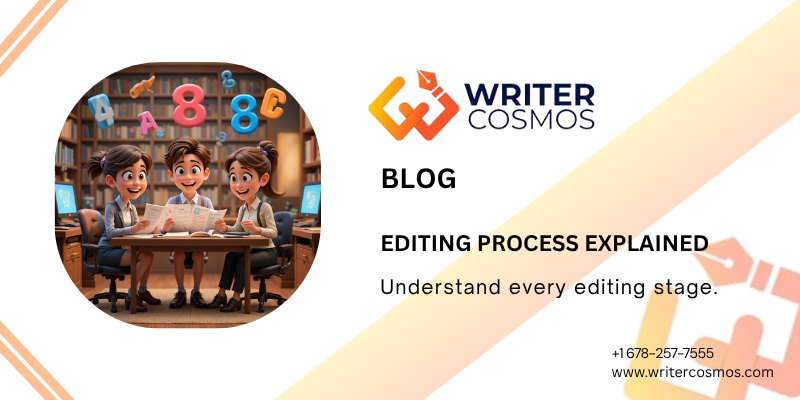
How to Understand Book Editing vs Proofreading
Many first-time authors assume editing is one simple step. In reality, professional publishing involves multiple types of editing, and each serves a different purpose.
Understanding the difference between book editing vs proofreading vs copy editing can help you improve your manuscript, avoid expensive mistakes, and prepare your book for professional publication.
Whether you’re self-publishing, hiring a ghostwriter, or working with a publishing company, this guide explains the major types of editing in simple terms.
Why Professional Editing Matters
Even the best writers need editors. Writing and editing are completely different skills.
Professional editing helps:
- Improve readability
- Remove grammar mistakes
- Strengthen storytelling
- Fix structural issues
- Enhance flow and clarity
- Prepare books for publishing standards
Poor editing can damage credibility, create negative reviews, and reduce book sales.
If you’re still preparing your manuscript, read: Editing Your First Manuscript: Why Professional Editing Is Crucial
You should also read: The Top Benefits of Professional Editing Services in 2026
What Are the Main Types of Editing?
The three most common editing stages are:
- Developmental Editing
- Copy Editing
- Proofreading
Each stage focuses on different problems inside the manuscript.
What Is Developmental Editing?
Developmental editing focuses on the big-picture quality of the book.
This type of editing improves:
- Structure
- Chapter organization
- Story flow
- Pacing
- Clarity
- Reader engagement
- Character development
- Book consistency
A developmental editor looks at whether the book works as a whole.
For nonfiction books, they may improve:
- Argument structure
- Chapter sequence
- Content organization
- Clarity of ideas
For fiction books, they may improve:
- Plot holes
- Character arcs
- Dialogue flow
- Scene structure
Developmental editing usually happens before grammar editing.
Signs You Need Developmental Editing
You may need developmental editing if:
- Your book feels disorganized
- Chapters feel repetitive
- Readers get confused
- The pacing feels slow
- Your story lacks direction
- The content feels incomplete
First-time authors often skip developmental editing and regret it later.
If you’re still developing your manuscript, read: How to Plan Your Book From Idea to Publication in 2026
You should also explore: From Concept to Cover: Understanding the Journey of Writing Your First Book
What Is Copy Editing?
Copy editing focuses on sentence-level improvements.
A copy editor improves:
- Grammar
- Punctuation
- Spelling
- Sentence clarity
- Tone consistency
- Word choice
- Readability
- Repetition
This stage makes your writing cleaner and more professional.
Copy editing does NOT focus heavily on restructuring the entire book. Instead, it improves how each sentence reads.
Not sure where to begin? Talk to our publishing experts today.
Example of Copy Editing
Before Copy Editing:
“The business owners was struggling to grow there company quickly.”
After Copy Editing:
“The business owner was struggling to grow their company quickly.”
Small improvements like these dramatically improve professionalism.
Signs You Need Copy Editing
You likely need copy editing if:
- Your grammar feels weak
- Sentences sound awkward
- Readers notice typos
- Your writing feels repetitive
- The tone changes throughout the book
Most manuscripts require copy editing before publication.
If you’re preparing for self-publishing, read: The Best Practices for Editing Your Manuscript in 2026
What Is Proofreading?
Proofreading is the final editing stage before publication.
A proofreader checks for:
- Typographical errors
- Spelling mistakes
- Minor punctuation errors
- Formatting inconsistencies
- Spacing problems
- Final grammar issues
Proofreading happens AFTER formatting and layout are complete.
This is the final quality-control stage before publishing your book.
What Proofreading Does NOT Fix
Proofreading does NOT fix:
- Weak structure
- Poor storytelling
- Major grammar issues
- Rewriting problems
- Chapter organization
That’s why proofreading should never replace developmental or copy editing.
Signs You Need Proofreading
You need proofreading if:
- Your editing is already complete
- Your manuscript is formatted
- You are close to publishing
- You only need final corrections
Before publishing on Amazon, read: Final Checklist: 10 Things to Do Right Before Hitting “Publish” on Amazon
Book Editing vs Proofreading vs Copy Editing
Here’s a simple breakdown:
| Editing Type | Main Focus | When It Happens |
| Developmental Editing | Structure & storytelling | Early stage |
| Copy Editing | Grammar & readability | Middle stage |
| Proofreading | Final error checking | Last stage |
All three editing stages serve different purposes.
Skipping one stage can reduce the overall quality of your book.
Which Editing Service Do First-Time Authors Need?
Most first-time authors need:
✅ Developmental Editing
✅ Copy Editing
✅ Proofreading
Some authors only need proofreading, but this usually applies to experienced writers with professionally edited drafts already completed.
For most self-published books, using all three editing stages creates the strongest final product.
If you’re publishing for the first time, read: How to Publish a Book: A Step-by-Step Guide for Beginners
You should also explore: The Best Guide to Self-Publishing in 2026
Can AI Replace Human Editors?
AI tools can help identify simple grammar mistakes, but they cannot fully replace professional editors.
Human editors provide:
- Emotional understanding
- Story analysis
- Tone refinement
- Reader psychology insights
- Publishing expertise
Professional editing still plays a major role in publishing high-quality books.
How Much Does Professional Editing Cost?
Editing costs vary depending on:
- Book length
- Editing depth
- Genre
- Timeline
- Editor experience
Developmental editing is usually the most expensive because it requires deeper analysis and restructuring.
To understand publishing costs overall, read: How Much Does It Cost to Publish a Book in the USA?
How to Choose the Right Editor
Before hiring an editor:
- Ask for sample edits
- Review testimonials
- Check genre experience
- Understand pricing
- Clarify timelines
- Confirm revision policies
Avoid editors who promise unrealistic timelines or extremely cheap services.
If you’re researching publishing support, read: Ethical Book Publishing Services: What to Look For in a Partner
Final Thoughts
Understanding the difference between book editing vs proofreading vs copy editing helps authors choose the right support at the right stage of publishing.
Developmental editing improves structure. Copy editing improves readability. Proofreading catches final mistakes.
Together, these editing stages help transform rough manuscripts into professional, publish-ready books.
If you want your book to compete professionally in today’s market, editing is not optional — it’s essential.
FAQs
What is the difference between copy editing and proofreading?
Copy editing improves grammar, clarity, and readability, while proofreading focuses on final typo and formatting corrections before publication.
Do I need developmental editing for my book?
If your manuscript has structural issues, pacing problems, or unclear organization, developmental editing can significantly improve the quality of your book.
Can proofreading replace editing?
No. Proofreading only catches final surface-level mistakes and does not improve structure, storytelling, or readability.
Which editing service should happen first?
Developmental editing comes first, followed by copy editing, and finally proofreading.
Is professional editing worth it for self-published authors?
Yes. Professional editing improves credibility, reader experience, reviews, and publishing quality for self-published books.
Want to publish your book faster without stress? Get expert publishing support today.