A Guide to Professional Editing for Aspiring Authors
Writing a book takes months of effort, creativity, and dedication. But many authors unknowingly damage their manuscripts during the editing stage.
Even a strong book idea can fail because of weak editing.
Today’s readers expect polished, professional books. Small mistakes in grammar, structure, formatting, or clarity can quickly reduce credibility and lead to negative reviews.
That’s why professional editing has become one of the most important parts of modern publishing.
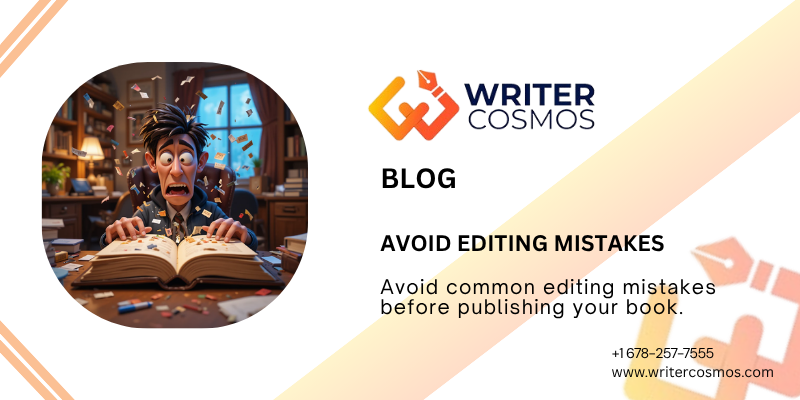
Understanding the most common editing mistakes can help you improve your manuscript before publication and create a better reading experience.
Polish Your Manuscript – Get professional editing before you publish.
Why Editing Matters So Much
Many first-time authors think editing only fixes grammar mistakes.
In reality, editing improves:
- Readability
- Structure
- Clarity
- Flow
- Consistency
- Reader engagement
Professional editing helps transform rough drafts into polished books readers actually enjoy.
If you’re still learning about the editing process, read: What Do Book Editing Services Include?
1. Publishing Without Professional Editing
One of the biggest mistakes authors make is publishing too quickly.
After spending months writing a manuscript, writers often become too familiar with the content to notice:
- Repetition
- Awkward wording
- Structural problems
- Inconsistent tone
- Small grammar mistakes
This is why many successful authors use professional book editing services before publishing.
A professional editor provides objective feedback that improves the overall quality of the manuscript.
2. Focusing Only on Grammar
Grammar matters — but editing goes far beyond grammar correction.
Some books have technically correct sentences but still struggle because of:
- Weak pacing
- Poor chapter organization
- Confusing ideas
- Repetitive sections
Strong editing improves both the writing and the reading experience.
This is especially important for:
- Memoirs
- Business books
- Nonfiction
- Fiction manuscripts
If you’re writing nonfiction, this guide may help: The Top Secrets to Writing Nonfiction That Sells in 2026 – Apply Today
3. Overusing Complex Language
Some authors try to sound overly professional by using complicated wording.
Unfortunately, difficult writing often reduces:
- Clarity
- Engagement
- Readability
Readers prefer writing that feels natural and easy to follow.
Professional editors help simplify awkward sentences while preserving the author’s unique voice.
4. Weak Formatting and Layout
Formatting problems instantly make books look unprofessional.
Common formatting mistakes include:
- Uneven spacing
- Broken chapter layouts
- Inconsistent fonts
- Poor eBook formatting
This is why many authors choose book editing and formatting services together before publishing.
Good formatting improves both readability and overall presentation.
5. Skipping Proofreading
Many authors mistakenly believe editing automatically includes final proofreading.
It doesn’t.
Proofreading is the final quality check before publication. It catches:
- Typos
- Small grammar issues
- Formatting inconsistencies
- Minor punctuation mistakes
Without proofreading, even well-written books may still contain visible errors.
Improve Your Book Quality – Make your manuscript clear, polished, and reader-ready.
6. Relying Only on AI or Spell Check
Grammar tools can help identify small issues, but they cannot fully replace human editors.
Automated tools often miss:
- Tone problems
- Structural weaknesses
- Context issues
- Flow inconsistencies
Professional editors focus on the complete reader experience, not just technical corrections.
7. Editing Before the Manuscript Is Ready
Another common mistake is hiring editors too early.
Editing works best after:
- The manuscript is complete
- Major rewrites are finished
- Self-revisions are done
- The structure feels stable
Editing unfinished drafts can increase costs because large sections may later change.
8. Ignoring Reader Experience
Some authors focus so heavily on writing that they forget about readability.
Readers want books that feel:
- Clear
- Organized
- Engaging
- Easy to follow
Strong editing improves the flow between chapters and helps maintain reader attention throughout the book.
If you’re preparing to publish your manuscript, this step-by-step guide can help: How to Publish a Book: A Step-by-Step Guide for Beginners
Why Professional Editing Improves Book Quality
Professional editing helps authors:
- Strengthen structure
- Improve readability
- Remove repetition
- Fix inconsistencies
- Polish the final manuscript
Today, many writers use online book editing services because they offer flexibility, accessibility, and professional support remotely.
Good editing can significantly improve reader satisfaction and publishing quality.
Final Thoughts
Poor editing can weaken even the best book ideas.
The most common editing mistakes usually involve:
- Weak structure
- Poor formatting
- Repetition
- Missing proofreading
- Inconsistent flow
Professional editing improves both the quality of your manuscript and the overall reader experience.
A polished book creates stronger credibility, better reviews, and a more professional publishing result.
FAQs
Why is professional editing important for books?
Professional editing improves clarity, structure, readability, and overall publishing quality.
What mistakes do editors usually fix?
Editors fix grammar problems, repetition, weak flow, structural issues, formatting mistakes, and readability problems.
Are online book editing services effective?
Yes. Many professional editors now provide high-quality editing support online for authors worldwide.
What is the difference between editing and proofreading?
Editing improves the manuscript itself, while proofreading catches final small mistakes before publication.
When should authors hire an editor?
Authors should hire an editor after completing the manuscript and finishing major self-revisions.
Publish With Confidence – Avoid costly editing mistakes before launch.