How Do I Become a Book Editor?
A Guide to Starting Your Career as a Book Editor
So, you’re asking, “How do I become a book editor?” The answer lies in a blend of strong linguistic skills, a deep understanding of storytelling, meticulous attention to detail, and a genuine passion for helping authors refine their work. Becoming a book editor involves a journey of acquiring specific knowledge, honing practical abilities, and networking within the publishing industry. This article, brought to you by WriterCosmos, will guide you through the essential steps, from understanding the different types of editing to building your portfolio and finding your niche in the dynamic world of publishing.
Understanding the Role: What Does a Book Editor Do?
Before delving into how do I become a book editor, it’s crucial to grasp the multifaceted nature of the role. A book editor is far more than just a grammar checker; they are a vital partner to authors, helping to shape raw manuscripts into polished, publishable works. Their responsibilities can vary greatly depending on the type of editing required, but generally encompass improving clarity, consistency, coherence, and overall quality of a manuscript. Editors act as a crucial bridge between the author’s vision and the reader’s experience, ensuring the message is conveyed effectively and compellingly.
The Different Types of Book Editing
The editing process is typically broken down into several stages, each requiring a distinct skill set. Understanding these distinctions is fundamental to understanding how do I become a book editor.
- Developmental Editing: This is the most big-picture form of editing. A developmental editor works with the author on the foundational elements of the book – plot, character development, pacing, theme, structure, and overall narrative arc. For non-fiction, it involves assessing the argument, organization, and scope of the content. They might suggest reorganizing chapters, adding or removing content, or even rethinking core elements of the story. This is often the first stage of editing for a manuscript.
- Substantive or Content Editing: Similar to developmental editing but often a bit more focused on the flow and clarity within the existing structure. A substantive editor focuses on the manuscript’s overall readability, ensuring the arguments are clear, the narrative progresses logically, and the tone is consistent. They might suggest rephrasing sentences or paragraphs to improve impact and comprehension.
- Copyediting: This is where the meticulous attention to detail truly shines. A copyeditor focuses on grammar, spelling, punctuation, syntax, consistency in style (e.g., Chicago Manual of Style, APA, MLA), factual errors, and adherence to house style guides. They ensure the language is precise and error-free, smoothing out awkward phrasing and correcting any grammatical mishaps. This is a critical step in preparing a manuscript for publication.
- Proofreading: The final stage of editing, proofreading involves a last check for any remaining errors – typos, formatting issues, missing punctuation, or inconsistencies that may have slipped through previous rounds. Proofreaders are the last line of defense before a book goes to print or is published digitally.
- Sensitivity Reading: While not strictly a traditional editing stage, sensitivity readers review a manuscript for potentially offensive or inaccurate portrayals of marginalized groups or sensitive topics. This has become an increasingly important part of the publishing process to ensure inclusivity and avoid unintentional harm.
Knowing these different types will help you determine which area you might want to specialize in as you figure out how do I become a book editor.
Essential Skills for Becoming a Book Editor
To truly excel and answer the question how do I become a book editor effectively, you’ll need to cultivate a robust set of skills. These go beyond just a good grasp of grammar.
- Impeccable Language Skills: This is the bedrock. A profound understanding of grammar, syntax, punctuation, spelling, and vocabulary is non-negotiable. You must be able to identify errors effortlessly and understand the nuances of language.
- Strong Analytical and Critical Thinking: Editors must be able to dissect a manuscript, identify its strengths and weaknesses, and propose concrete solutions for improvement. This requires a keen analytical mind to assess plot holes, character inconsistencies, logical fallacies, and structural issues.
- Attention to Detail: This cannot be overemphasized. Even a single misplaced comma can detract from a reader’s experience. Editors must have an eagle eye for even the tiniest errors.
- Knowledge of Style Guides: Familiarity with common style guides (e.g., The Chicago Manual of Style for fiction and non-fiction, APA for academic papers) is crucial for maintaining consistency and professionalism.
- Communication and Interpersonal Skills: Editors often work closely with authors. You need to be able to provide constructive criticism clearly, tactfully, and empathetically. Building rapport and trust with authors is key to a successful collaboration.
- Organizational and Time Management Skills: Managing multiple projects, meeting deadlines, and keeping track of revisions requires excellent organizational abilities.
- Empathy and Understanding of Authorial Voice: While you are improving a manuscript, you must respect the author’s unique voice and vision. The goal is to enhance, not overwrite.
- Broad Reading Knowledge: Reading widely across genres and subjects will broaden your understanding of narrative structures, writing styles, and literary conventions, which is invaluable for any editor.
The Path to Becoming a Book Editor
Now that we’ve covered the what and the why, let’s dive into the practical steps of how do I become a book editor.
Education and Training
While a specific degree isn’t always mandatory, certain educational paths can significantly bolster your credentials and skills.
- Bachelor’s Degree: A degree in English, Journalism, Communications, Creative Writing, or a related humanities field provides a strong foundation in language, literature, and critical analysis.
- Postgraduate Degrees or Certificates: Many universities offer master’s degrees in publishing or professional writing, or specialized certificates in editing. These programs often provide practical training, industry connections, and a deeper dive into the nuances of the publishing world.
- Editing Courses and Workshops: Numerous online platforms and professional organizations (like the Editorial Freelancers Association or ACES: The Society for Editing) offer courses and workshops specifically designed for aspiring editors. These can cover everything from the basics of copyediting to advanced developmental editing techniques and software proficiency.
Gaining Experience
Experience is paramount in the editing world. How do I become a book editor without prior experience? Start small and build up.
- Internships: Seek out internships at publishing houses, literary agencies, or even with established freelance editors. Internships offer invaluable hands-on experience and a chance to learn the ropes from within the industry.
- Volunteer Editing: Offer your services to non-profit organizations, student publications, or independent authors. This is a fantastic way to gain practical experience and build a portfolio.
- Start with Smaller Projects: Begin by editing short stories, articles, essays, or academic papers for friends, family, or online clients. This helps you hone your skills and gain confidence.
- Build a Portfolio: As you complete projects, curate a portfolio of your best work. This will be essential when pitching to potential clients or employers. Include diverse samples that showcase your range of editing abilities.
Networking and Professional Development
The publishing industry is often driven by connections.
- Join Professional Organizations: Becoming a member of organizations like the Editorial Freelancers Association (EFA), ACES: The Society for Editing, or local writing and publishing groups provides access to resources, job boards, and networking opportunities.
- Attend Conferences and Workshops: Industry events are excellent places to meet other editors, authors, agents, and publishers. They also offer valuable learning opportunities.
- Connect Online: Utilize platforms like LinkedIn to connect with professionals in the publishing industry. Participate in online forums and discussions related to editing and writing.
Building Your Business (for Freelance Editors)
Many editors operate as freelancers. If this is your goal, consider the following:
- Define Your Niche: Decide what types of books or genres you want to specialize in. Do you love fantasy novels? Are you passionate about self-help books? Specializing can help you attract your ideal clients.
- Set Your Rates: Research industry standards for editing rates and establish your pricing structure. Consider per-word, per-hour, or project-based rates.
- Create a Professional Online Presence: A website or professional profile showcasing your services, portfolio, testimonials, and contact information is essential.
- Market Yourself: Actively seek out clients through online platforms, professional networks, and direct outreach.
- Get Testimonials: Positive feedback from satisfied clients is a powerful marketing tool.
The Future of Book Editing and How Do I Become a Book Editor in a Changing Landscape?
The publishing industry is constantly evolving, with the rise of self-publishing and new technologies. This impacts how do I become a book editor in the modern era.
- Digital Proficiency: Familiarity with editing software (like Microsoft Word’s track changes, Google Docs, Adobe Acrobat for PDFs) and project management tools is increasingly important.
- Understanding the Self-Publishing Market: Many aspiring authors choose to self-publish, creating a significant demand for freelance editors. Understanding the unique needs and expectations of self-published authors is crucial.
- AI and Editing: While AI tools are emerging, they are currently complements, not replacements, for human editors. A human editor’s nuanced understanding of context, tone, and artistic intent remains irreplaceable. Learning to leverage AI tools for efficiency, however, can be an advantage.
Why WriterCosmos for Aspiring Authors?
For authors asking, “How do I become a published author?”, WriterCosmos offers comprehensive support. While this article focuses on how do I become a book editor, it’s important to acknowledge the symbiotic relationship between editors and authors. WriterCosmos is dedicated to helping new and aspiring authors realize their dream of becoming published authors. We offer a full spectrum of services, including professional ghostwriting for those who need help getting their ideas onto paper, thorough book editing services (from developmental to copyediting), expert website design, and strategic marketing to ensure your book reaches its audience. Our client-centric approach, free consultations, and commitment to unlimited revisions mean authors receive personalized support every step of the way. If you’re an aspiring author looking for a partner in your publishing journey, WriterCosmos is here to guide you.
Conclusion
The journey of how do I become a book editor is a challenging yet incredibly rewarding one. It demands dedication, continuous learning, and an unwavering passion for the written word. By acquiring the necessary skills, gaining practical experience, and actively engaging with the publishing community, you can build a successful and fulfilling career shaping stories and ideas. Remember, every great book has a great editor behind it, ensuring its message resonates deeply with readers.
Categories
Table of Contents
Related Posts
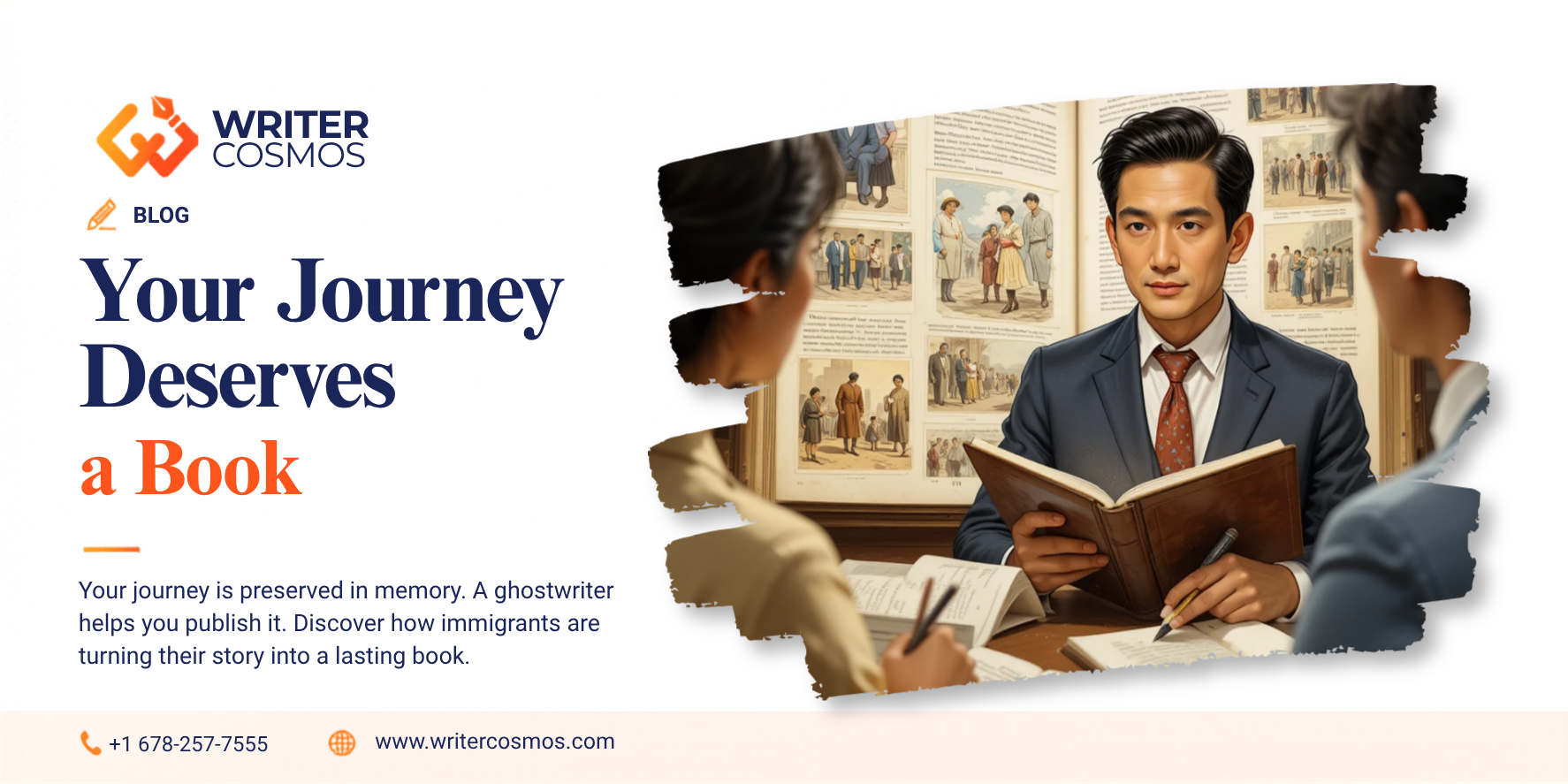
Ghostwriting for Immigrants and First-Generation Americans: How to Tell Your Story in a Published Book
Read More »