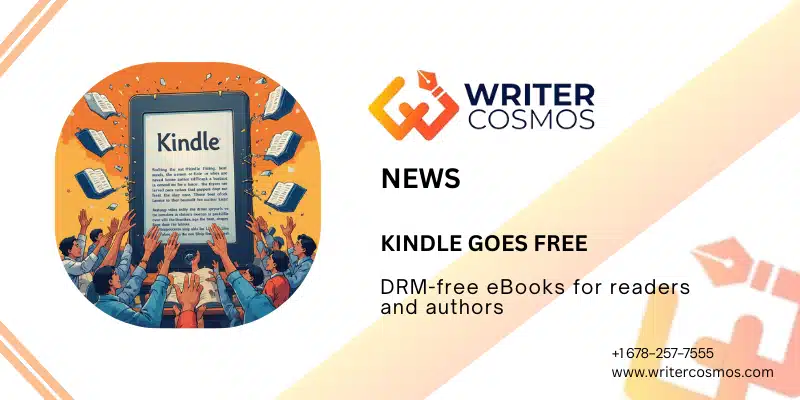
Amazon Kindle has introduced DRM-free eBooks, marking a significant shift in how digital books are distributed and owned. The move allows readers to access purchased eBooks without digital rights management restrictions, while giving authors greater flexibility over how their work is shared and preserved.
The update signals a growing push toward reader ownership and author empowerment in the evolving self-publishing landscape.
What Does DRM-Free Mean for Kindle Users?
Publishers typically use DRM (Digital Rights Management) to limit how people copy, transfer, or share digital content. With DRM free eBooks, readers can:
- Access their books across multiple devices
- Create personal backups
- Retain long-term ownership of purchased titles
This approach aligns with increasing reader demand for flexibility and control over digital purchases.
Why This Matters for Authors and Self-Publishers
For authors—especially indie and self-published writers—the introduction of DRM-free Kindle eBooks opens new opportunities:
- Greater trust with readers, who value true ownership
- Easier global access, especially in regions with limited device compatibility
- Stronger brand loyalty, as readers are more likely to support authors who prioritize openness
Authors can now decide whether DRM restrictions align with their publishing strategy or if a DRM-free model better suits their audience.
A Shift in Digital Publishing Trends
The move reflects a broader trend across the publishing industry toward transparency and reader-friendly practices. People have long debated DRM-free publishing, and critics argue it limits piracy protection. However, many authors and publishers believe accessibility and reader experience outweigh those concerns.
According to a report by Mashable, this update places Kindle alongside other platforms that already offer DRM-free options, signaling a more flexible future for digital books.
What’s Next for Kindle and the Publishing Industry?
While DRM-free access may not apply to every title, the launch suggests Amazon is responding to market demand and evolving author needs. As digital publishing continues to grow, policies that prioritize ownership, accessibility, and author choice are likely to shape the next phase of the industry.
Final Thoughts
Kindle’s move toward DRM-free eBooks is a notable development for writers, readers, and publishers alike. It reinforces the idea that readers should own digital books, not rent them, and helps authors build stronger, more transparent relationships with their audiences.